
Fuel Tank Removal Regulations & Compliance in Texas and Oklahoma
Fuel Tank Removal Regulations in Texas & Oklahoma
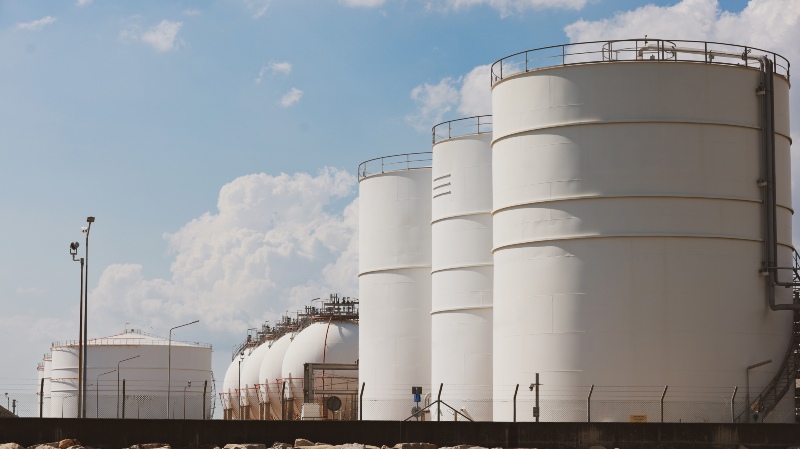
Your In-Depth Guide to Fuel Tank Compliance
Fuel tanks are more than just metal containers – they’re critical components of countless operations. And they don’t last forever. So, when the time comes to remove an old fuel storage tank, it’s never as simple as digging it up or hauling it away. The process involves complying with strict state and federal regulations designed to prevent environmental harm and ensure the utmost safety.
Professional fuel tank removal services play a vital role in maintaining compliance and protecting surrounding ecosystems. Whether it’s decommissioning, soil testing, or navigating permitting requirements, understanding these regulations is essential for anyone managing or retiring a fuel tank system.
For anyone responsible for fuel tanks in Texas and Oklahoma, knowing what’s required isn’t just helpful – it’s essential. From permitting to final closure, let’s break down everything you need to know about permanently decommissioning fuel tanks the right way.
Underground Fuel Storage Tanks, Defined
Hidden beneath the surface, underground storage tanks (USTs) are used in industries that require the safe holding of substances, such as petroleum products and hazardous chemicals. These concealed containers are commonly used to store fuel for vehicles, heating, and industrial equipment. While they efficiently serve these purposes, USTs can also present environmental and safety challenges, especially as they age, making proper care and underground storage tank removal vital in terms of safety and compliance.
What USTs Are Made From
A majority of USTs are constructed from steel, fiberglass, or advanced composite materials designed to resist corrosion and leaking. However, older tanks made solely of steel often experience corrosion after decades underground. Modern tanks utilize more resilient, non-corrosive materials, providing additional safeguards against failure while also protecting the environment from harmful leaks.
How Long USTs Last
No tank has an unlimited lifecycle. Most steel tanks have a lifespan of approximately 30 years before they begin to deteriorate significantly. After this point, the risk of leaks and structural damage rises, making monitoring and eventual removal a top priority to curb escalating maintenance expenses and environmental hazards.
The Environmental and Safety Hazards USTs Pose
Corrosion is a primary enemy of USTs, especially for steel models that have endured extended exposure to the elements underground. Leaks caused by corrosion or improper installation can allow hazardous compounds to seep into the surrounding soil or groundwater, creating contamination problems that are often extremely costly and time-consuming to address.
If a UST deteriorates and allows products like gasoline or diesel to leak, the repercussions can necessitate more than a standard cleanup job. Maintenance and routine inspections help mitigate these risks, but long-term safety ultimately depends on timely removal and proper decommissioning.
The Rules and Regulations of Fuel Storage Tanks
Fuel storage tanks come with substantial responsibilities, especially given all the major environmental risks and safety considerations involved. And while proper handling and removal processes are technically best practices, they’re also legal obligations governed by an intricate web of regulations.
From federal guidelines to state-specific laws, UST compliance in Texas and Oklahoma can seem like a challenging maze to maneuver. Here’s a closer look at all the essential regulatory information to help you stay informed and on the right track.
Federal Standards and Regulations
Federal oversight of USTs falls under the Environmental Protection Agency (EPA). Through the Resource Conservation and Recovery Act (RCRA) and the Comprehensive Environmental Response, Compensation, and Liability Act (CERCLA), the EPA has established strict regulations to minimize risks. Updates issued in 2015 reinforced the importance of leak prevention, tank maintenance, and proper inspections, with a focus on maintaining consistent standards across the country.
Protocols Specific to Texas and Oklahoma
Each state adds its own layer of requirements on top of federal standards. Texas and Oklahoma are no exception, with their regulatory agencies enforcing detailed procedures to ensure safe practices:
- Texas – The Texas Commission on Environmental Quality (TCEQ) oversees UST management. Tank removal must be carried out by licensed contractors, with notifications sent to TCEQ and local fire marshals. The process involves emptying and cleaning tanks, removing connecting lines, filing temporary closure paperwork if necessary, and ensuring disposal occurs within one day of excavation.
- Oklahoma – USTs over 1,100 gallons are regulated by the Oklahoma Corporation Commission (OCC). Removal requires certified installers, an advanced notice to the local fire department, and strict adherence to the Permanent Closure Guidebook. All tanks must be completely emptied, cleaned, and removed in a timely manner, with excavated material managed according to safety guidelines.
Compliance Requirements
Staying compliant includes regular inspections, documentation of maintenance activities, and adherence to reporting protocols. Consistent monitoring ensures tanks remain leak-free and contamination risks are promptly addressed. Non-compliance can lead to steep fines and costly cleanups, making attention to these requirements critical for UST owners and operators.
The Fuel Tank Decommissioning Process
Fuel tank decommissioning isn’t a job you can handle with a shovel and good intentions. And there’s certainly no cutting corners. Because this process is extremely dangerous, complex, and loaded with regulated steps, it demands a precise, professional approach from qualified specialists to ensure safety, environmental protection, and full compliance. Below are the steps involved in the permanent closure of a UST:
- Notify Regulatory Agencies – Tank owners must formally notify their state and local agencies at least 30 days before any decommissioning activity. This step ensures all necessary permits and coordination with authorities are in place.
- Hire Certified Specialists – Only licensed and certified contractors are allowed to handle this process. Their expertise guarantees proper tank removal, soil sampling, and adherence to environmental compliance standards during every phase of the project.
- Empty the Tank – Before decommissioning, all fuel, sludge, and other residues must be pumped out of the tank system. The remaining liquid should not exceed one inch in depth to ensure no hazardous material leaks during removal.
- Make the Tank Safe to Handle – Tanks must be inerted to eliminate any flammable vapors. This step minimizes the risk of fire and explosion, allowing contractors to work safely throughout the tank removal process.
- Excavate the Site – Once the tank is inerted, the surrounding soil is carefully excavated to expose the structure. The work area remains secured to prevent unauthorized access and ensure safety during this phase.
- Remove and Clean the Tank – Once the tank is out of the ground, specialists complete an internal cleaning and verify it as free of hazardous substances. Petroleum tank cleanup documentation should be obtained as evidence of proper handling.
- Properly Dispose of the Tank – Certified removers label the tank system appropriately and prepare it for transport to an authorized disposal or recycling facility. Compliance with tank permitting and inspection rules is critical at this stage.
- Remediate Contaminated Soil – Excavated soil needs to be analyzed for contamination. If contamination is discovered, the polluted soil must be transported to an approved disposal or treatment facility. Clean backfill material is then used to restore the excavation site.
- Conduct Soil and Groundwater Testing – Samples are collected for laboratory analysis to confirm that no remaining contamination exceeds acceptable levels. Soil testing requirements are an integral part of the decommissioning process and must be met under local environmental guidelines to verify the site’s safety.
- Submit the UST Closure Report – Once the work is complete, a formal closure report is filed with regulatory agencies. This report summarizes all closure activities, soil sampling results, disposal records, and documentation of how the tank system was decommissioned, and is submitted to relevant agencies in compliance with legal timeframes. This final step assures proper record-keeping and regulatory compliance.
Partner With EnviroServe for Your Tank Closure Project
When the stakes involve complying with state laws and federal regulations, you want a team with in-depth knowledge, field expertise, and a proven track record to manage your fuel tank closure. Since 1992, EnviroServe has built an esteemed reputation as a reliable partner in environmental remediation and professional tank removal services.
Our crews are extensively trained and prepared to deliver innovative solutions and world-class service to fuel tank decommissioning projects all across the nation. From start to final step, we prioritize safety, precision, and unmatched customer satisfaction.
- Nationwide Availability – Our team is strategically positioned across the U.S., allowing us to reach your location quickly and efficiently, no matter where your project is based.
- Proven Expertise – With many decades of experience under our belts, our licensed and insured environmental remediation contractors excel in handling both hazardous and non-hazardous materials safely and effectively.
- Cutting-Edge Equipment – We leverage state-of-the-art tools and proprietary, cutting-edge technology to complete every tank decommission with precision, no matter the size, scope, or complexity.
- Rapid Response Times – We understand the importance of acting quickly. Our rapid response capabilities respect your timelines and ensure your project moves forward without unnecessary delays.
- Commitment to Excellence – From the smallest detail to the broad execution, we approach each job with excellence, integrity, and a commitment to environmental safety and compliance.
Safe, Certified Fuel Tank Removal Made Simple
EnviroServe specializes in managing the complex landscape of fuel tank removal and petroleum field services across Texas, Oklahoma, and beyond. Our team understands the importance of regulatory compliance, environmental responsibility, and efficiency. With our advanced equipment and highly trained professionals, we provide the reliable results you need to follow every standard and exceed every expectation. Contact us today to talk with our experts and get your fuel tank removal handled right.