
How Industrial Waste Management Impacts Local Communities and Sustainability Efforts
How Industrial Waste Management Impacts Local Communities
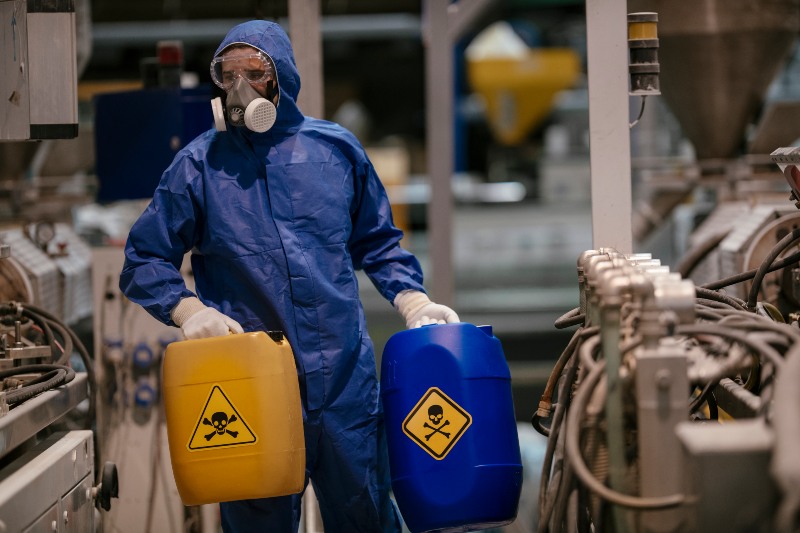
Your Complete Guide to Sustainable Waste Management
Everyday decisions in industrial operations create ripple effects that touch businesses, neighborhoods, and our planet as a whole. Industrial waste management involves so much more than just keeping businesses compliant – it shapes all the places we live and work. When businesses take steps to handle their waste responsibly, they inevitably protect natural ecosystems and create healthier, safer surroundings for local communities.
Industrial waste management services are a driving force behind this positive change. By focusing on reducing, containing, and repurposing waste, these services help prevent pollution, preserve the public’s health, and minimize harm to delicate ecosystems.
Let’s explore how most sustainable waste management practices can transform the way businesses handle waste, and showcase real-world solutions that prove that taking care of waste means taking care of the world we share.
The Realities of Industrial Waste
Most people rarely stop to consider the unseen aftermath of industrial progress. Industrial waste refers to the byproducts of manufacturing processes, production plants, and similar activities. These materials – whether they’re chemical residues, unused scraps, or other leftovers – aren’t just “trash” in the traditional sense. And improperly managing their disposal has major consequences for both the environment and human health.
Without responsible containment, industrial waste can infiltrate ecosystems in ways that are almost invisible but deeply damaging. Toxic substances released into the soil contaminate farmlands and disrupt habitats. When rainwater interacts with insufficiently stored waste, it can generate leachate, a contaminated liquid capable of seeping into ground and surface water. These water sources are vital to local communities, and when they become polluted, they pose serious health risks like waterborne diseases and long-term exposure to hazardous chemicals.
Air quality is also at serious risk. Irresponsible practices, such as the open burning of industrial byproducts, release harmful pollutants, including particulate matter and volatile compounds. And these toxins don’t just linger at the source. They’re great at traveling, impacting the air we breathe from miles away, and leaving nearby populations more vulnerable to respiratory illnesses and other chronic conditions.
The scale of improper industrial waste management speaks directly to its community and environmental impact. When left unchecked, it creates a menacing domino effect that damages natural habitats, endangers human health, and places undue strain on communities across the globe. Addressing this demands both awareness and action to prioritize effective, eco-friendly waste practices.
Sorting Through the Various Types of Industrial Waste
Industrial waste streams may not be the topic of everyday conversation, but they’re more prevalent in our lives and communities than many realize. It comes in several forms, and each requires careful management to avoid serious consequences to the environment and public health.
Hazardous waste stands out for its potential danger. Industrial waste classified as hazardous is generated by processes like manufacturing, chemical production, and other industrial operations – and these materials carry properties such as toxicity, flammability, or corrosiveness. Items like used solvents, industrial sludges, and chemical-laden byproducts fall into this category. Since improper handling can lead to contamination, stringent regulatory measures are in place to enforce safe disposal and storage.
Non-hazardous waste, while less harmful, still demands attention. This form of waste includes materials like scrap metals, packaging, and non-toxic byproducts from industrial operations. Though these may seem less threatening, disposing of them carelessly ultimately degrades our environment, making industrial recycling programs and repurposing strategies more critical than ever.
Another concerning category is persistent waste – substances that resist breaking down in nature. Whether it’s certain plastics or chemicals, these materials linger for several years. Unfortunately, persistent waste has been tied to ecological damage and the buildup of toxins in food chains. Proper containment and removal can prevent long-term harm and ensure wildlife and human populations remain safe from its effects.
A Glance at the Different Industrial Waste Streams
Understanding industrial waste requires a close look at the different streams where it originates. These waste streams often contribute to environmental challenges in distinct ways. Here’s a breakdown of three significant sources of industrial waste, their characteristics, and their impact:
Chemical Waste
This form of waste comes from processes that involve chemical substances used in industries like laboratories, agriculture, and healthcare. Chemical waste can include toxic, corrosive, flammable, or reactive materials, all of which require specialized handling and disposal.
If not managed properly, chemical waste has the potential to contaminate water supplies, pollute the air, and cause damage to both humans and wildlife. Strict adherence to regulatory guidelines is fundamental to minimizing its harmful effects.
Mining Waste
Mining operations produce vast amounts of waste, which includes overburden, tailings, and slag. Overburden consists of the soil and rock removed to access minerals, while tailings and slag are byproducts of mineral processing and smelting.
Mining waste often contains heavy metals and chemicals that can leach into the soil and water systems, posing dangers to ecosystems and human health. Proper containment and long-term reclamation efforts are critical to addressing these issues and creating more environmental responsibility initiatives.
Manufacturing Waste
The reality of the manufacturing industry is that it generates leftover or excess materials as part of its daily operations. Whether it’s unused raw materials, packaging, or defective products, this waste adversely harms the planet in numerous ways. Here’s how:
- Resource Exhaustion – Manufacturing activities utilize significant amounts of raw materials like metals, fossil fuels, and timber, which pushes natural resource extraction to unsustainable levels. Over time, this will result in critical habitat loss and ecosystem degradation.
- Environmental Pollution – The process of manufacturing releases greenhouse gases, industrial solvents, chemical runoff, and other pollutants. When improperly managed, these elements contaminate the air, soil, and water supply.
- High Energy Demand – Factories consume vast quantities of energy to run machinery and transportation systems. Most of this energy is derived from fossil fuels, which boosts greenhouse gas emissions and exacerbates global warming.
- Landfill Overflow – Unrecycled manufacturing waste often finds its way to landfills that occupy valuable real estate. Decomposing organic waste in landfills emits methane, a particularly potent greenhouse gas, further accelerating the climate crisis.
Advanced Technologies Powering Smarter Waste Management
The industrial sector has embraced innovation to tackle its waste challenges head-on, leveraging breakthroughs in technology to achieve cleaner operations. These advancements don’t just clean up the mess – they prevent it from happening in the first place or transform waste into something new. Let’s take a look at two key strategies that are reshaping waste reduction in manufacturing:
Reducing Waste at Its Source
The first and most effective step in waste management is to eliminate excess before it even forms. By adopting smarter practices and technologies, companies can slash the amount of waste generated at its source, while saving resources, time, and money:
- Precise Product Design – Modern software like Computer-Aided Design (CAD) cuts down material waste by perfecting designs in the digital realm.
- Innovative Production Methods – Additive manufacturing, like 3D printing, reduces waste by building products layer by layer.
- Efficiency-Driven Processes – Lean manufacturing principles optimize workflows and minimize wasted materials at every stage of production.
Recycling and Repurposing Waste
Once waste material is generated, repurposing can give it a second life. State-of-the-art tools and techniques help industries divert their waste from landfills and create new value by leveraging:
- Recycling Infrastructure – Cutting-edge facilities process scrap metal, plastics, and more into reusable materials for future manufacturing.
- Creative Repurposing – Leftover materials like fabric or wood scraps can be transformed into entirely new products.
- Automated Processing – Auto-sorting technologies separate different types of industrial waste and direct it to the most effective recovery and recycling processes.
Three Key Ways Industries Can Think Greener
Sustainable strategies aren’t a trend – they’re essential for businesses aiming to curb their environmental impact. Making eco-friendly practices a priority in industrial operations means better processes with a cleaner future in mind. Here are three surefire ways for industries to manage their waste streams like seasoned pros:
Sustainable Material Choices – Selecting sustainable, recyclable, or biodegradable materials makes certain waste can be minimized before any processes even begin. Thoughtful material sourcing aligns with today’s corporate sustainability goals and mitigates the environmental impact in the long term.
Efficient Waste Segregation – Separating waste streams at the source streamlines recycling and disposal. Clear waste categories like hazardous, recyclable, and organic materials optimize recovery and reduce contamination.
Advanced Recovery Solutions – Leveraging technologies like waste-to-energy conversion and advanced filtration helps industries reclaim resources. These innovations reduce landfill reliance while maximizing economic and environmental value.
Simplify Your Industrial Waste Streams With EnviroServe
Industrial waste management services can feel like a challenge to tackle alone – but that’s why we’re here! EnviroServe combines industry-leading expertise with cutting-edge technology to handle even the most complex waste streams. Whether your organization produces hazardous or non-hazardous materials, our skilled team handles every step, from waste profiling and containerizing to safe transportation and eco-conscious disposal.
Our services place a premium on minimizing our impact, meeting regulatory standards, and ensuring every process aligns with sustainability goals. With our specialized vehicles and on-site capabilities, we arrive quickly and are prepared to get the job done right. When you partner with CGE, you’ll take a proactive step toward cleaner practices and healthier communities.
Your path to sustainable waste management starts here. Contact our team now to learn how we can customize our services to meet your unique waste handling needs.