
Top 5 Emergency Spill Response Mistakes to Avoid
Mistakes during an environmental spill can happen fast – and they can come with serious consequences. Without the right approach, businesses risk not just compliance issues, but also greater harm to the environment and the community. Whether it’s improper containment or delaying necessary actions, these missteps can escalate a bad situation.
This article will share the top five mistakes you can’t afford to make during an emergency spill response. You’ll also find practical environmental emergency tips on how to handle spills effectively, safely, and in accordance with the law. Protecting your team, your facilities, and the surrounding environment starts with knowing how to respond the right way. So, let’s equip you with everything you need to know to ensure you’re ready for anything.
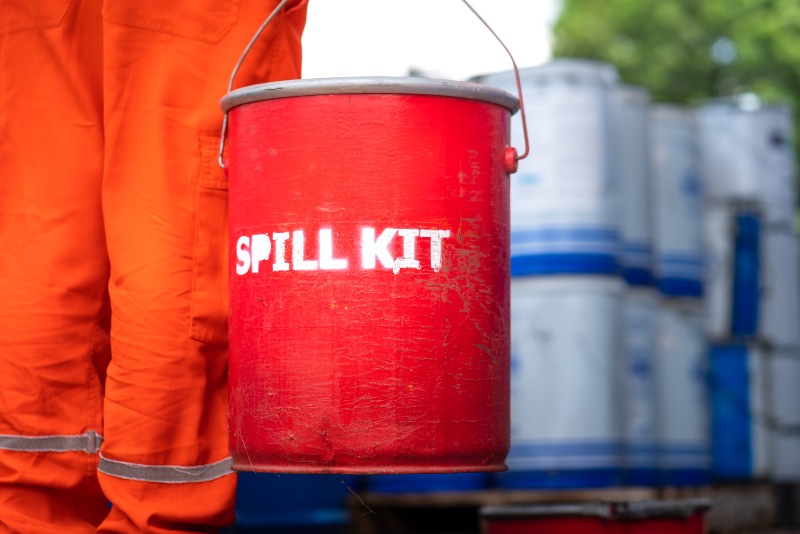
1. The Hidden Hazard of Untrained Hands on the Spill Site
Emergencies have a way of testing how prepared your team really is. When a spill happens, the instinct to jump in and help can lead to well-meaning but dangerous mistakes. However, one of the most common missteps is allowing untrained employees to enter the spill area.
Sure, in most cases, the more help, the merrier. But spill response isn’t something that can be improvised. Without proper training, your staff may unknowingly expose themselves and others to risks like chemical burns, toxic fumes, biohazards, or even fires caused by flammable materials. Every hazmat response plan should include adequate training and clearly outline who is authorized to enter the site during an emergency. Ensuring only trained personnel manage the situation minimizes danger and prevents avoidable setbacks.
2. Minutes Matter – The Cost of Hesitation in Spill Response
Time isn’t just money. During a spill, it’s the dividing line between containment and chaos.
Delaying action is one of the most critical mistakes a business can make when managing an environmental spill. Spills don’t wait – they spread quickly, increase the cost of cleanup, and risk escalating the impact on the environment and the public’s health.
A well-orchestrated emergency response hinges on speed. That’s why clear communication protocols are essential. Employees should know exactly who to contact and what steps to activate when a spill occurs. Incorporating these spill containment best practices into your training and emergency planning ensures rapid action, reduces damage, and keeps your business in compliance.
3. The Domino Effect of Poor Spill Containment
Failing to establish proper containment during an emergency spill is akin to leaving an open faucet running – it only amplifies the problem. Without swift action and the right materials, an industrial spill can seep into the surrounding areas and increase the potential hazards, ultimately adding more complications to your cleanup efforts.
Adequately containing a spill isn’t just about putting barriers in place; it requires deploying the appropriate equipment immediately and carefully sealing access points to stop the spread. Companies prepared with trained teams and effective containment tools are far more likely to achieve successful industrial spill cleanup while minimizing risks to health, safety, and the environment.
4. The Lingering Risks of Cutting Corners
Leaving even the smallest traces of residual contamination behind after a spill can turn a minor incident into a long-term problem. The aftermath of improper cleanup often produces hidden dangers that need to be addressed immediately, whether that’s persistent toxins in the air or polluted residue that can damage your equipment. Missteps like using the wrong materials to clean the spill, mishandling contaminated waste, or neglecting to decontaminate your equipment can quickly undo your containment efforts.
Hazardous material safety in your response means having the right resources and training in place to effectively handle these situations.
5. The Repercussions of Failing to Report
Accidents are bound to happen. But how you handle them matters even more. Another extremely common yet critical mistake in responding to an environmental spill is delaying or failing to report it altogether. Thinking you can manage the incident internally or hoping it will resolve on its own can lead to serious consequences like hefty fines or egregious environmental damage.
Having a clear and actionable spill reporting process is essential. This process should identify when and how to report the spill and outline communication protocols with regulatory agencies. Empowering your team with the right training ensures accurate, swift reporting, keeping your operation compliant and your environment safe.
Reinforce Your Emergency Preparedness Checklist With CGE
Handling an environmental incident shouldn’t catch you off guard. When disaster strikes, reach out to the experts with decades of proven experience. Our team at EnviroServe delivers the fast, reliable emergency spill response you need to mitigate the problem with precision. And we’re available across the nation! Backed by state-of-the-art equipment, our skilled hazmat response specialists are always prepared to tackle the toughest spills, protect your business, and preserve the environment.
From hazardous material cleanup to site remediation and everything else in between, we offer exceptional, 24/7 service designed to keep you compliant and operational. Contact our team at CGE today to learn more about our spill response training programs and immediate emergency support services.