
The Difference Between Hazardous and Non-Hazardous Waste: A Complete Guide for Businesses
The Difference Between Hazardous & Non-Hazardous Waste
A Complete Guide for Businesses
Every business generates waste, but knowing the distinctions between hazardous and non-hazardous waste is critical. Handling waste incorrectly can inevitably put your organization at risk of substantial environmental and legal consequences, making it nothing less than essential to know where your waste falls.
Our team here at EnviroServe has developed this in-depth guide to explain the differences between hazardous vs. non-hazardous waste, show you how to identify them, and provide the safest disposal practices. From classifications to compliance, we’ll equip your business with the knowledge to manage waste responsibly and effectively. Let’s simplify the process and talk through what you need to know for proper waste management.
What is Hazardous Waste?
It’s no secret that waste is a constant byproduct of our industries and daily routines. But some materials aren’t just an inconvenience – they’re downright dangerous. Hazardous waste refers to discarded materials that can harm the health of humans, animals, or the environment due to their toxicity, flammability, corrosiveness, or reactivity.
Hazardous waste materials can come in solid, liquid, or gaseous forms and often require specialized handling and disposal methods to prevent any contamination. The Environmental Protection Agency (EPA) has strict classifications to help identify hazardous waste and requires businesses to follow regulated disposal procedures.
So, what’s the bottom line for you as a business? It’s always best to be cautious and educated. Knowing exactly what qualifies as hazardous waste is a fundamental aspect of proper industrial waste management and protecting the world around us.
Examples of Industrial Hazardous Waste
Hazardous waste spans a vast range of materials across many different industries, and determining what qualifies is half the battle. Some typical examples of industrial hazardous waste include:
- Used Solvents – Solvents from industrial cleaning processes are highly flammable and can release toxic fumes, making careful handling vital.
- Heavy Metals – Materials like lead, mercury, and cadmium are toxic and can leach into soil and water, posing risks to ecosystems.
- Corrosive Chemicals – Acids and bases used in industrial processes can cause severe damage to human tissue and the environment if not contained.
- Pesticides – While helpful in controlling pests, many pesticides contain harmful chemicals that can accumulate in the environment over time.
- Waste Paints & Coatings – Paints and finishes often contain hazardous ingredients like volatile organic compounds (VOCs) or heavy metals.
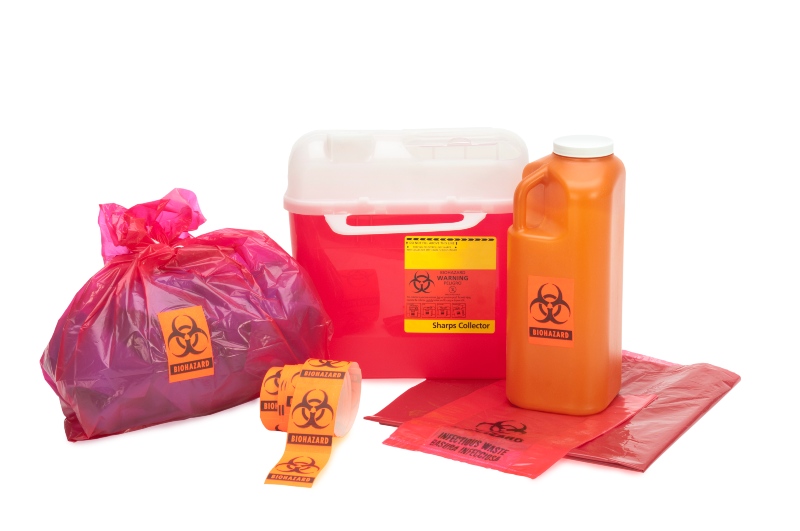
- Medical Sharps – Used needles and syringes are biohazards requiring strict sterilization and disposal protocols to ensure public safety.
- Oil & Petroleum Products – Motor oil, fuel residues, and petroleum-derived chemicals are major pollutants and must be managed cautiously.
- Batteries – Both lead-acid and lithium batteries contain harmful substances that can damage water supplies if improperly discarded.
Industries Known to Generate Hazardous Waste
Not all businesses deal with hazardous waste, but certain industries are well-known for producing materials that demand specialized care. Here are some of the most common sectors generating hazardous waste:
The Automotive Industry
From solvents to degreasers used during vehicle maintenance to paints and coatings applied during manufacturing, hazardous waste is undoubtedly a regular byproduct in this industry. Brake fluids, used oils, and batteries are other prime examples of materials that require special disposal procedures to mitigate the environmental risks associated with them.
Healthcare and Pharmaceutical Facilities
Hospitals, laboratories, and pharmaceutical companies handle a host of hazardous materials such as expired drugs, sharps contaminated with bodily fluids, and harsh chemical disinfectants. These biological and chemical substances require meticulous storage and removal processes for safety.
Manufacturing and Chemical Plants
Manufacturing industries are some of the largest producers of hazardous waste worldwide. Factories that produce chemicals, electronics, and plastics often generate hazardous byproducts that fall under regulatory scrutiny. Manufacturing waste, including chemical sludge, heavy metals, and solvents, must be disposed of in accordance with EPA hazardous waste compliance guidelines to minimize potential hazards.
Oil and Gas Sector
The oil and gas industry generates hazardous waste through drilling, refining, and processing activities. Materials such as drilling muds, used oil, wastewater, and hydrocarbon-laden byproducts fall under hazardous waste regulations. Mismanagement of these can significantly harm delicate ecosystems.
Agriculture and Pesticide Manufacturing
The agricultural sector often deals with pesticides, herbicides, fertilizers, and other hazardous chemicals. While essential for pest control and crop health, improper disposal of these substances can have a negative impact on soil and threaten the quality of our water supply over time.
Construction and Demolition
While it may not be immediately apparent, construction sites also contribute their fair share to hazardous waste, including lead-based paints, asbestos, and treated wood. These building materials must be identified and removed responsibly to ensure safety compliance and reduce the impact they may have on our environment.
What Is Non-Hazardous Waste?
Non-hazardous waste is a classification for industrial materials that do not pose any immediate harm to the public’s health or the environment. Unlike hazardous waste, these materials lack the reactive, corrosive, toxic, or flammable properties that can be dangerous. Some common examples include construction debris, food waste, and packaging materials.
If you’re unsure whether or not a material is considered hazardous, it’s always best to reference the EPA’s waste classification guide. This proactive approach will help keep your operations compliant, protect your people, and preserve your surroundings.
It’s important to note that non-hazardous waste generated from industrial settings cannot be disposed of through standard waste disposal methods. Despite the non-hazardous designation and less strict regulations, non-hazardous waste can still threaten the health of our communities. To manage non-hazardous waste properly, partnering with a qualified environmental waste disposal company – like EnviroServe – becomes essential.
How to Manage Regulated vs. Unregulated Waste
The reality is that practically every commercial and industrial sector generates waste. And being a waste generator involves responsibilities. One of the first and most important aspects of managing it is determining whether it’s considered regulated or unregulated.
Regulated waste includes materials classified as hazardous or harmful. The EPA has established regulations that make hazardous waste generators from all industries liable for their waste. So, if your operations produce industrial waste streams, your business is liable for any potential hazards they pose from cradle to grave. The toxic nature of hazardous waste requires strict compliance with governmental guidelines for disposal, so it must be handled only by trained professionals.
Unregulated waste, while less controlled, still demands proper disposal methods to prevent environmental damage, costly fines, and operational inefficiencies.
To manage your waste streams responsibly, you need to implement a robust waste profiling process. This process is used to identify the composition, hazardous properties, regulatory classification, and disposal requirements of the waste.
Accurately profiling your waste informs your next steps in the disposal process. Once you have verified and documented this essential information, you can then determine the appropriate transport, treatment, and disposal methods to remain compliant with industry standards and environmental regulations. This protects your business from potential legal issues, honors environmental preservation, and helps uphold your reputation within the community.
Sort Out Industrial Waste the Right Way With GCE
Sorting out hazardous and non-hazardous waste can feel like a puzzle, but EnviroServe, simplifies every step of the process. Our waste management specialists are rigorously trained and equipped with proprietary, state-of-the-art technology to handle even the toughest cleanup jobs. From chemical spills to complex industrial waste handling, we ensure every project is completed efficiently and responsibly.
With decades of industry experience and a world-class reputation built on trust, we’re proud to offer services nationwide. We specialize in waste profiling, transportation, disposal, and on-site cleanup, adhering to all local, state, and federal regulations.
From emergency responses to planned projects, we stand ready to handle every step of the process while helping protect communities and the environment. Get in touch with our team today to get started.